Uncategorized

hero_arrhythmias_omega-3
Uncategorized

Key Highlights from Our Recent SMA: Arrhythmias, Omega-3s & Clinic Updates

Why This Matters  In our latest Shared Medical Appointment (SMA) for heart rhythm care, we covered how you’ll soon access our teaching content online, what omega-3s can (and can’t) do for heart health, and the next SMA dates. Below is your clear, patient-friendly recap, perfect to bookmark and share. We’re Putting the “Education” in Your Hands Educational videos are rolling out, privacy protected  We’re working to publish the educational portion of our SMAs online so you can revisit the material anytime. One video is already out on the clinic’s social channels (try searching “CRISSP EP Clinic”), but expect a little lag between recording, editing, and release. Importantly, only teaching content appears online, no patient names, faces, or voices.  Omega-3s and Your Heart: What the Evidence Really Says   What omega-3s are (and where they come from) Fun fact: fish don’t make omega-3s algae do. Fish eat algae and pass those fats along. You’ll also find omega-3s in plant foods like walnuts and flaxseed. These fats are generally anti-inflammatory and support arterial health. Proven benefit: triglyceride lowering  Omega-3s consistently lower triglycerides and have been associated with a lower risk of dying from coronary heart disease. That makes them a useful tool in a broader heart-health plan discussed with your clinician. Not a fix for arrhythmias  A common question: do omega-3s prevent arrhythmias? Current evidence does not show protection from heart rhythm problems. Omega-3s are helpful for lipids and overall cardiovascular support, but they’re not an anti-arrhythmia therapy. Keep them in perspective and follow your EP team’s guidance for rhythm management. Don’t Eat Much Fish? Here’s a Smart Plan  Food-first ideas you can use today  Walnuts, flaxseed, and chia are great plant sources.  Grind your seeds (a coffee grinder works) so nutrients are better absorbed whole seeds often pass through without unlocking the benefits. When to consider supplements  If you rarely eat fish, ask your care team if an algae-based EPA/DHA supplement fits your plan. You can also monitor your status with an Omega-3 Index (RBC EPA+DHA) test and review results with your clinician.  Omega-3 supplement Omega-3 Index (RBC EPA+DHA) Test Kit Simple Testing to Discuss With Your Clinician Fasting lipid panel (to check triglycerides)  Omega-3 Index (RBC EPA+DHA) for baseline and follow-up tracking  Your care team can help interpret these numbers and tailor the plan. Quick Reference: Arrhythmias 101   Arrhythmias are abnormal heart rhythms too fast, too slow, or irregular. Symptoms can include palpitations, fatigue, lightheadedness, shortness of breath, or chest discomfort. Management is individualized and may include lifestyle strategies, medications, or procedures like ablation. (Discuss specifics with your electrophysiology team.)  Eat the Rainbow (and How to Hit 30-50 Plants/Week)   We love “ROYGBIV” as a reminder to aim for diverse colors of fruits and vegetables. A practical goal is 30-50 different plant foods per week. It sounds ambitious, but a well-built salad can get you a third of the way there. Takeaway & Next Steps Use omega-3s wisely: great for triglycerides and overall arterial support; not a rhythm shield.  Food first, supplement if needed: grind seeds; consider algae-based EPA/DHA if you don’t eat fish.  Measure what matters: lipid panel + Omega-3 Index; review results with your clinician.  Keep learning: watch for new education-only SMA videos, and join an upcoming session to get your questions answered.  Shop the Mentioned Items Omega-3 Supplement  Omega-3 Index (RBC EPA+DHA) Test Kit FAQs Do omega-3s prevent AFib or other arrhythmias? No. While omega-3s support overall cardiovascular health, they haven’t been shown to prevent arrhythmias. Continue working with your EP team on rhythm-specific strategies. What’s the most reliable benefit of omega-3s? Triglyceride reduction is the most consistent clinical benefit. Some studies also associate higher omega-3 status with lower coronary mortality, but arrhythmia prevention hasn’t been demonstrated. I’m plant-based. Can I still raise EPA/DHA? Yes—consider algae-based EPA/DHA supplements. Also include ground flax/chia and walnuts to boost total omega-3 intake. Should I grind my flax or chia? Yes. Grinding improves nutrient availability; whole seeds often pass through without delivering the full benefit. Which tests help me track progress? Ask your clinician about a fasting lipid panel (focus on triglycerides) and an Omega-3 Index (RBC EPA+DHA) to see your baseline and retest after changes. Disclaimers: General Education: This article is educational and not a substitute for personal medical advice. If you have symptoms or elevated test results, consult your healthcare professional.  Affiliate Links: This article may include affiliate links; if you purchase through them, we may earn a small commission at no extra cost to you. 
Generative Meditation
Uncategorized

Beat Deadline Stress in 10 Minutes: A Generative Meditation to Turn Pressure into Focus

When deadlines pile up and the clock races, stress narrows our attention and drains our energy. Generative meditation offers a simple, science-aligned way to flip that script—by drawing on your own lived successes to create calm, clarity, and momentum. Below is a guided, 10-minute practice based on a short teaching session that helps you remember what already works for you, apply it today, and share it with others. What Is Generative Meditation? Generative meditation is a reflective practice that “generates” useful mindsets and actions from your personal experience. Instead of clearing the mind entirely, you intentionally recall specific times you performed well under pressure, identify the conditions and behaviors that made that possible, and then apply those insights to the present moment. It’s practical, empowering, and tailor-made to your real life. Beyond Deadlines: Use Generative Meditation for Any Life Problem (Patience, Organization, Happiness & More) Generative meditation isn’t just for crunch time—it’s a way to design your next move in any area of life. Instead of reaching for one-size-fits-all tips, you pose a precise question to yourself and mine your own history for answers that already work for you. Try prompts like: “What was true during the most organized/happiest season of my life?” “When did I feel most in control, and what conditions were present?” Here’s the key insight: advice from others can be hit-or-miss because it was proven in their context, not yours. Your experiences –even subjective ones like happiness—by contrast, are objective for you: when you recall real episodes and extract what actually helped from something that you know to be true for yourself based on your own experiences, it holds more truth for you. Over time, you’ll accumulate more “rules,” but even a few that are truly yours will outperform generic checklists. That’s why generative meditation often feels more impactful than reading another book: you’re generating the rules yourself, for yourself, based on your own data. Why Deadline Stress Hurts (and How This Helps) Time pressure can trigger a threat response: shallow breathing, tunnel vision, and reactive decision-making. Generative meditation counters that by widening your perspective and reconnecting you with evidence that you can handle tough timelines. You’re not importing someone else’s tips—you’re rediscovering your own best methods and rehearsing them for today. A 10-Minute Generative Meditation for Deadline Pressure Find a quiet spot. Sit comfortably, shoulders relaxed, feet grounded. Silence notifications if you can. Step 1: Remember a time you were especially effective (1–2 minutes) Close your eyes and bring to mind a concrete moment when you navigated multiple deadlines well. See where you were, what the tasks were, who was involved, and how you felt as you moved through it. Don’t worry if it wasn’t perfect—focus on the effectiveness you did have. Prompt: “What was true about that time in my life when I handled time pressure well?” Step 2: Name the conditions that helped (1–2 minutes) Gently list the conditions that were present. Examples might include: a clear plan, a prioritization matrix, an early start, focused work blocks, helpful collaborators, a supportive supervisor, protected sleep, or even a motivating deadline. Prompt: “What were the circumstances—environmental or structural—that enabled me to succeed?” Step 3: Extract the behaviors you controlled (1–2 minutes) Zoom in on what you made happen. Maybe you shut down distractions, asked for clarifications, set mini-milestones, or used a quick recovery ritual after interruptions. Note 3–5 behaviors you owned. Prompt: “How did I behave that enabled success under time pressure?” Step 4: Take the 80-year-old vantage point (1 minute) Imagine yourself at age 80, looking back on today. From that wiser vantage point, what will you be proud you did? What would you regret not doing? Let future-you nudge present-you toward clarity and courage. Prompt: “From that future perspective, what actually matters right now?” Step 5: Apply your conditions and behaviors to today (2 minutes) Open your eyes if you’d like and translate your list into immediate moves. Map conditions → actions: Condition: clear plan → Action: outline the deliverables and due dates in one page. Condition: focus blocks → Action: book two 50-minute deep-work sessions this afternoon. Condition: fast feedback → Action: send a draft to your stakeholder by 3 p.m. for early input. Condition: energy management → Action: schedule a 10-minute break after each block. Step 6: Decide what changes you’ll make today or tomorrow (1 minute) Commit to 1–3 concrete adjustments that fit your current workload. Reorder tasks by impact and urgency. Say “not now” to one nonessential request. Clarify one ambiguous requirement before starting work. Write these down—ink beats intention. Step 7: Pay it forward (30–60 seconds) Identify one colleague or friend who could benefit from the same conditions. Share one tip or invite them to join a focus block. Teaching consolidates your learning and improves team performance. Prompt: “How can the conditions that helped me also help someone else today?” Your Personal “Deadline Rules” From your notes, craft 3–7 concise rules. Post them near your workspace or as a pinned note. Examples: Plan before I start. Outline deliverables and define “done.” Chunk the work. 50 minutes on, 10 minutes off, twice before lunch. Surface uncertainty early. Ask clarifying questions within the first hour. Protect energy. Hydrate, breathe, and move for two minutes each break. Ship small. Share a draft at 30% for feedback rather than waiting for 100%. One screen, one task. Everything else gets parked on a capture list. End with intention. Write tomorrow’s first three moves before closing. These aren’t generic hacks; they’re evidence-based from your own history. That’s the power of generative meditation. Quick Tips to Make It Stick Schedule it. Put a 10-minute generative meditation at the start of heavy sprint days. Keep a wins log. Capture moments you handled pressure well; they become raw material for future sessions. Pair with a breath reset. Three slow inhales through the nose, extended exhales, then begin Step 1. Use a cue. Start the practice whenever you feel time pressure rising—tight shoulders, scattered tabs, or racing

Stress and Arrhythmias
Uncategorized

Stress and Arrhythmias: Understanding the Hidden Connection

Introduction When most people think about heart health, they imagine cholesterol numbers, blood pressure, or diet. But there’s another, often overlooked factor that can profoundly impact your heart rhythm: stress. Research continues to confirm that chronic stress and emotional strain can trigger or worsen arrhythmias—irregular heart rhythms that range from bothersome palpitations to life-threatening disturbances. In this article, we’ll explore the science of stress and arrhythmias, how stress hormones affect the heart, what role heart rate variability (HRV) plays, and evidence-based strategies you can use to reduce stress and protect your heart rhythm. How Stress Affects the Heart’s Electrical System The Stress Hormones When your body perceives stress—whether it’s a tough meeting, traffic jam, or deep-seated anxiety—it triggers the release of stress hormones: Cortisol Norepinephrine Epinephrine (adrenaline) While these hormones help in “fight or flight” situations, long-term activation has a darker side. They increase your heart rate, elevate blood pressure, and alter electrical signaling in the heart, all of which can predispose you to arrhythmias. Sympathetic vs. Parasympathetic Balance Stress shifts the body toward sympathetic stimulation (“fight or flight”) and away from parasympathetic activity (“rest and digest”). More sympathetic drive = faster heart rate, stronger contractions, abnormal repolarization. Less parasympathetic (vagal) activity = reduced calming signals to the heart. This imbalance increases the likelihood of premature ventricular contractions (PVCs), atrial fibrillation (AFib), and even dangerous ventricular arrhythmias. Heart Rate Variability (HRV): HRV is a look to the electric system of the heart, different to the pulse rate variability. Heart Rate Variability (HRV) is a powerful biomarker that reflects your balance between stress and recovery. Low HRV (<30 ms): Indicates stress dominance and reduced vagal tone. High HRV (>70 ms): Suggests resilience, adaptability, and stronger parasympathetic influence. Today, HRV can be easily tracked using smartwatches, fitness bands, or apps like Oura Ring, Apple Watch, or Weltery. By monitoring HRV, you gain real-time feedback about how stress is affecting your body and heart. What the Evidence Says Job Stress and AFib Risk A landmark Journal of the American Heart Association study found that people with high job strain had nearly double the risk of atrial fibrillation. Workplace stress isn’t just a mental burden—it literally rewires your heart’s rhythm. Yoga and Arrhythmias In a randomized trial, 12 weeks of yoga reduced atrial fibrillation episodes by ~45%. Beyond physical postures, yoga’s breath control and mindfulness help rebalance the nervous system. Anger and Ventricular Arrhythmias One of the most striking findings: 30 minutes of anger can increase the risk of ventricular arrhythmias thirtyfold. Emotional stressors are not just fleeting feelings—they’re arrhythmia triggers. Cognitive Behavioral Therapy (CBT) In a study of 104 patients, 8–9 weeks of CBT for stress reduction not only lowered AFib-related anxiety but also improved quality of life. Mental health care is heart care. Aerobic Exercise Regular aerobic activity improves HRV and decreases AFib symptom scores. Even light exercise can help rebalance the autonomic nervous system. Sleep and Arrhythmia Recurrence Poor sleep amplifies stress hormones. In patients who underwent AFib ablation, good sleep hygiene reduced recurrence rates by 35%. Stress-Reduction Strategies for a Healthier Rhythm 1. Deep Breathing Try the 4-7-8 breathing technique: Inhale for 4 seconds Hold for 7 seconds Exhale for 8 seconds Practicing for just 5 minutes twice daily can increase vagal activity and lower stress hormones. 2. Movement Snacks A 10-minute walk after a stressful meeting can reset your nervous system. Think of it as a mini stress flush for your heart. 3. Screen-Time Hygiene Reducing screen use 60 minutes before bed improves sleep quality, which in turn lowers chronic stress and arrhythmia risk. 4. Laugh Therapy Yes, laughter truly is medicine. A breathing practice called laugh breathing—inhale while smiling, exhale while laughing—lowers cortisol and activates parasympathetic pathways, even if the laughter is “fake.” 5. Mind-Body Practices Yoga, meditation, or even guided imagery activate the relaxation response, reduce anger triggers, and enhance HRV. 6. Consistent Aerobic Exercise Aim for at least 150 minutes per week of moderate-intensity activity. Cycling, brisk walking, or swimming can all improve heart rhythm resilience. Practical Takeaways Stress isn’t harmless. It directly alters your heart’s electrical system and raises arrhythmia risk. HRV is your stress barometer. Use wearable tech to monitor and respond to your stress levels. Evidence-based tools work. Yoga, CBT, aerobic exercise, good sleep, and stress management can reduce arrhythmia episodes. Small habits count. Deep breathing, laughter, and short walks are simple but powerful. Conclusion The connection between stress and arrhythmias is undeniable. Stress hormones, nervous system imbalance, and inflammation all converge to increase the risk of irregular heart rhythms like AFib and PVCs. But the good news is clear: you have control. By adopting daily stress-reduction practices, improving sleep, and embracing exercise and mindfulness, you can protect your heart rhythm and overall well-being. Your heart isn’t just a pump—it’s an electrical, emotional, and biochemical organ that responds to how you live. Managing stress is more than a lifestyle tip; it’s a prescription for rhythm stability and longevity. For more information watch the video. Disclaimer: This article is educational and not a substitute for personal medical advice. If you have symptoms or elevated test results, consult your healthcare professional.

PFAS and Smartwatches
Uncategorized

Your Smartwatch Band Might Be Toxic: PFAS Risks and Safer Alternatives

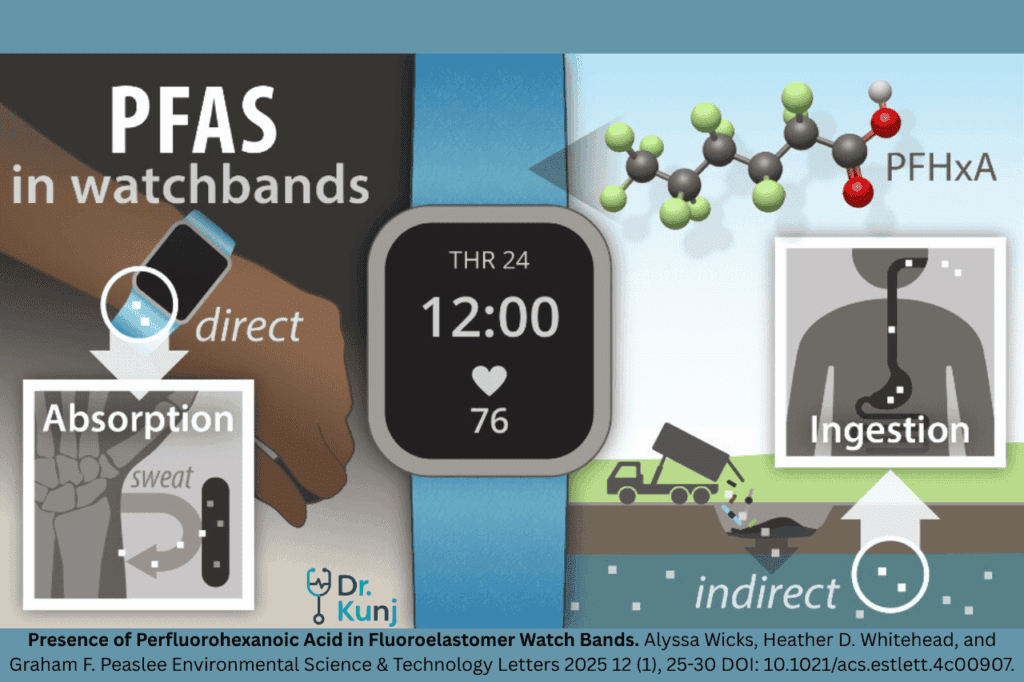
Wearing a smartwatch should make you healthier—not expose you to “forever chemicals.” In this post, I’ll unpack what recent findings suggest about PFAS in smartwatch bands, why it matters for your health, and the smartest ways to lower exposure for you and your family. What Are PFAS—and Why Are They in Wearables? PFAS (per- and polyfluoroalkyl substances) are a large family of water- and oil-repellent chemicals used in everything from nonstick cookware to stain-resistant fabrics. They don’t easily break down in the environment or the body—hence the nickname “forever chemicals.” Manufacturers may use them to make bands comfortable, “sweatproof,” and durable. The Study Signal You Shouldn’t Ignore A recent analysis of smartwatch bands reported hazardous levels of PFAS in most samples—15 out of 22 (68%) tested bands contained concerning concentrations. Notably, it wasn’t just budget accessories; mid-tier and premium bands were among the most likely to contain these compounds. If you wear your device during workouts (when you sweat and your pores open), your absorption risk can increase. The Health Concerns Linked to PFAS While research is ongoing, PFAS exposure has been associated with a range of conditions: Cardiometabolic: arrhythmias, hypertension, high cholesterol, heart disease. Skeletal: osteoporosis. Immune: immune suppression (impaired vaccine response has been reported in some contexts). Oncologic: higher risk of kidney and testicular cancer in some exposed populations. No single wristband is a diagnosis, and association ≠ causation. But the signal is strong enough—and the exposure so widespread—that minimizing your burden is a prudent move. Should You Test Your PFAS Levels? You can measure PFAS through commercial labs (e.g., large diagnostic networks) or reliable at-home kits. Testing is useful if: You’ve had known high exposures (e.g., firefighting foams, contaminated water supplies). You need a baseline to assess the effect of your exposure-reduction efforts. You’re considering blood or plasma donation strategies (more on that below). If you’re not going to act on the result, testing may add cost without benefit. Either set a plan to reduce exposure regardless or use testing to guide and verify your plan. The Most Effective Ways to Reduce PFAS Exposure H2O: Filter First Reverse osmosis (RO) and activated carbon (charcoal) filters can meaningfully lower PFAS in drinking water. If possible, filter the main kitchen tap (and any tap used for infant formula). Replace filters on schedule—saturated filters don’t help. Diet: Bind and Eliminate High-fiber foods (vegetables, legumes, whole grains, chia, flax) can bind toxins in the gut and support elimination. Aim for 25–38 g/day of fiber (adults), adjusting gradually to avoid GI upset. Cookware: Ditch Nonstick, Go Durable Reduce PFAS exposure by avoiding nonstick pans when possible. Choose stainless steel or cast iron—they’re long-lasting, naturally non-toxic, and oven-safe. Think: Be an iron person, not a PFAS person. Lifestyle: Support Detox Pathways Don’t smoke, and limit alcohol—both increase oxidative stress and can compound toxin burdens. Sleep 7–9 hours nightly; deep sleep supports immune balance and repair. Emerging Interventions: What the Research Suggests Blood and Plasma Donation A randomized study in firefighters—an occupation with higher PFAS exposure—found that regular blood or plasma donations (every 6–12 weeks) reduced circulating PFAS levels, with plasma donation showing an even greater effect. This isn’t a household fix for everyone, but it’s a promising, real-world strategy you can discuss with your clinician, especially if your levels are elevated and you’re otherwise eligible to donate. Plasmapheresis Technology In vitro work (lab testing of the plasmapheresis tech itself) demonstrates that PFAS can be removed rapidly from plasma in a controlled setup—up to ~90% within 60 minutes and nearly complete within two hours. While this is not yet a standard clinical therapy for PFAS, it signals where medical treatments may be headed. Bottom line: Donation has evidence for modest, real-world reductions; advanced filtration and apheresis are emerging and may inform future care. Smartwatch Safety: Practical Steps You Can Take Today 1) Swap Your Band If you love your device, change the strap. Favor materials less likely to contain PFAS and that limit prolonged skin contact: Metal bands (e.g., stainless steel, titanium) Textiles like cotton or linen (note: not sweat/water-proof) Leather (from reputable sources, mindful of other finishes) Rotate bands and clean your wrist after workouts. If you notice irritation, remove the band, wash the area, and consider switching materials. 2) Rethink Workout Habits During intense exercise when sweating and vasodilation increase absorption, try a clip-on or pocket carry for activity tracking, especially if you suspect your band contains problematic materials. Rinse and dry the band post-workout; sweat residue can carry contaminants. 3) Audit Your Other PFAS Sources Food packaging: reduce contact with grease-resistant wrappers (often PFAS-treated). Stain-resistant sprays/fabrics: avoid when you can. Cosmetics and ski waxes: look for PFAS-free labels and third-party certifications. A Simple, Science-Backed Action Plan Week 1: Immediate Wins Install or verify your RO or activated carbon water filter. Replace your smartwatch band with metal or natural fabric. Swap one nonstick pan for stainless steel or cast iron you’ll use daily. Week 2–4: Build Momentum Increase dietary fiber by 5–10 g/day (add legumes, leafy greens, berries, chia). Set a sleep schedule (consistent bedtime/wake time, dark cool room). If curious, schedule a baseline PFAS test. Month 2–3: Verify and Optimize If you donate blood/plasma and are eligible, consider regular donations (discuss with your clinician). Retest PFAS in 3–6 months if you need objective feedback on your plan. Key Takeaways (TL;DR) PFAS (“forever chemicals”) are turning up in many smartwatch bands, including higher-priced models. Because you wear bands while sweating, skin absorption risk may rise during exercise. Practical steps work: water filtration (RO/activated carbon), high-fiber diet, stainless/cast-iron cookware, better sleep, and avoiding tobacco/alcohol. Blood or plasma donation can lower PFAS levels in eligible donors; plasmapheresis is a promising technology still evolving. Swap your band to metal, cotton, or linen, and clean your wrist after workouts. For a concise walkthrough with visuals and examples, dive into the video: PFAS in smartwatches. Disclaimer: This article is educational and not a substitute for personal medical advice. If you have symptoms or elevated test results,

Stress and HRV
Uncategorized

Stress and HRV (Heart Rate Variability): The Hidden Link Between Resilience and Burnout

Did you know your Autonomous Nervous System is in a constant balancing act—and stress loves to tip the scale? When stress dominates, your body’s natural rhythms get disrupted, and one of the clearest indicators of this imbalance is heart rate variability (HRV). Understanding the connection between stress and HRV isn’t just science—it’s the key to unlocking better energy, sleep, and long-term health. Let’s dive in. What is Heart Rate Variability (HRV)? Most people think of heart health in terms of heart rate: how many times your heart beats per minute. But HRV is about something deeper. Heart rate variability measures the tiny variations in time between each heartbeat. High HRV = Your system is flexible, adapting smoothly between activity and recovery. Low HRV = Your body is stuck in “survival mode,” unable to bounce back efficiently. Think of HRV as your body’s adaptability score. The higher it is, the better your nervous system can respond to stressors and return to balance. How Stress Impacts HRV The Nervous System Tug-of-War Your autonomic nervous system (ANS) has two main branches: Sympathetic Nervous System (SNS): The gas pedal. Triggers “fight-or-flight,” raises heart rate, and floods the body with energy. Parasympathetic Nervous System (PNS): The brake pedal. Activates “rest-and-digest,” slows heart rate, and promotes recovery. In a balanced system, the gas and brake work together seamlessly. Stress hormones like norepinephrine, adrenaline, and cortisol tilt the system toward the SNS, keeping you in “go mode.” The HRV Effect When stress is chronic, the parasympathetic system gets sidelined. HRV drops, signaling that your body is less resilient and recovery is impaired. In simple terms, you’re driving with the gas pedal stuck and the brakes disconnected. Why Low HRV Matters A consistently low HRV isn’t just a number—it’s a red flag for your health. Research shows that low HRV is linked to: Fatigue and daytime sluggishness Anxiety and mood disturbances Poor sleep quality Slower recovery after workouts Increased risk of cardiovascular problems Higher likelihood of burnout Your body wasn’t built to live in a high-alert state 24/7. Without adequate recovery, even small stressors start to feel overwhelming.Stress and HRV: Everyday Life in Survival Mode The Survival Trap When HRV drops, your body begins to interpret everyday situations—work deadlines, traffic jams, even notifications on your phone—as threats. That means: Digestion slows. Muscles stay tense. Sleep becomes shallow. Energy drains faster. It’s as if your system is preparing for danger all the time, even when you’re just trying to rest. Long-Term Costs Over time, living in this survival state erodes both mental and physical health. Chronic stress shortens attention span, reduces motivation, and weakens immunity. Low HRV is often an early warning sign before these health issues fully manifest. How to Improve HRV and Reduce Stress The good news? HRV isn’t fixed. By supporting your nervous system, you can raise HRV and build resilience against stress. Mindfulness and Meditation Mindfulness-based practices calm the sympathetic system and activate parasympathetic pathways. Just 10–15 minutes a day of meditation, guided breathing, or body scans can significantly boost HRV over time. Breathing Techniques Diaphragmatic also called abdominal or belly breathing, is especially powerful. Try this exercise: Sit comfortably with support in your back. Breathe in through nose for 4 to 6 seconds, focusing on your belly rising. Hold for 2 seconds. Exhale through your mouth for 4 to 6 seconds let you belly fall inward. Repeat for 5 minutes. This simple practice engages the vagus nerve, directly enhancing HRV. Sleep Optimization Sleep is your body’s reset button. To improve HRV: Aim for 7–9 hours nightly. Keep your bedroom cool, dark, and quiet. Avoid blue light screens at least an hour before bed. When you sleep well, your body naturally recalibrates stress hormones and HRV improves. Movement and Exercise Physical activity lowers stress hormones and raises HRV—but intensity matters. Aerobic exercise (like walking, cycling, swimming) supports cardiovascular health. Yoga and Tai Chi combine movement and mindfulness, giving HRV an extra boost. Avoid overtraining, which can temporarily lower HRV. Balance is key. Social Connection Human connection is medicine for stress. Studies show social support lowers pain, reduces cortisol, and raises HRV. Schedule weekly time with friends or family. Even a 5-minute phone call can shift your nervous system into recovery mode. In-person interactions are especially powerful for nervous system balance. Gratitude and Journaling Positive emotions strengthen resilience. Try ending your day by writing down three things you’re grateful for. This habit lowers stress, promotes better sleep, and supports long-term HRV improvements. Technology and HRV Tracking Modern wearables make it easier than ever to track HRV daily. Devices like smartwatches, fitness trackers, and chest straps provide real-time insights into your nervous system balance. Why Track HRV? Spot early signs of stress overload. Adjust lifestyle choices—like sleep, exercise, or recovery—accordingly. Celebrate progress as HRV trends upward with consistent self-care. Tracking HRV empowers you to make informed choices about how to manage stress in real time. Putting It All Together Stress and HRV are two sides of the same coin. Chronic stress pushes HRV down, signaling reduced adaptability and recovery. But by actively managing stress—through mindfulness, sleep, movement, and connection—you can boost HRV, restore balance, and protect your long-term health. Think of HRV as a daily report card for your nervous system. Small lifestyle changes can raise your score, helping you shift from survival mode to thriving mode. Final Thoughts Stress is inevitable, but staying stuck in it doesn’t have to be. By understanding the link between stress and HRV (Heart Rate Variability), you can take meaningful steps to safeguard your energy, resilience, and overall well-being. Your health depends on finding balance between the gas pedal and the brake. Support your HRV, and you’ll not only feel better—you’ll live better. For more information watch the video. Disclaimer: This article is for educational purposes only and is not medical advice.

Stress and Chronic Pain_new
Uncategorized

Breaking the Cycle: Stress and Chronic Pain Management That Actually Works

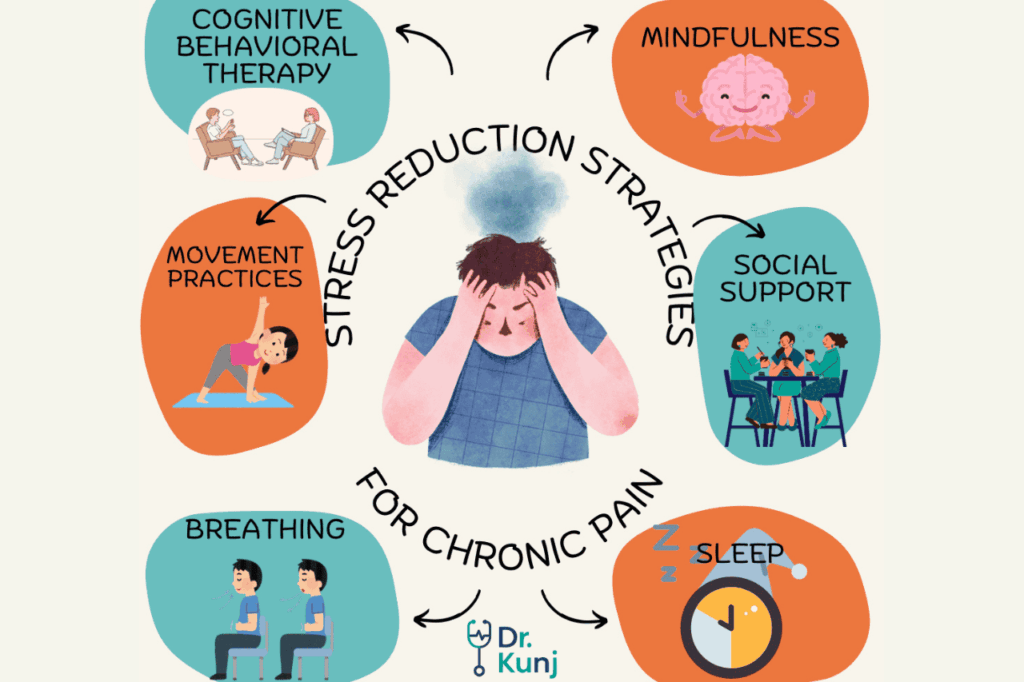
Living with chronic pain can feel like an endless battle, and stress only adds fuel to the fire. Science shows that stress doesn’t just affect your mood—it can directly amplify your pain through powerful chemical processes in your body. The good news? You have more control than you may realize. Let’s explore how stress and chronic pain are connected, and practical ways to break the cycle. What is Chronic Pain? Chronic pain is defined as pain lasting more than three months. Unlike acute pain, which signals injury or danger, chronic pain often lingers long after the original cause has healed. This type of pain is complex because it involves not just the body, but also how your spinal cord and brain process signals. Neurotransmitters and stress hormones—such as cortisol, norepinephrine, and epinephrine—play a central role in how pain is experienced. Stress alters these chemicals, creating a feedback loop where the brain and nervous system amplify one another, intensifying pain. Stress and the Pain Feedback Loop The Science Behind the Connection Stress hormones heighten the sensitivity of your nervous system. When stress is constant, this loop keeps firing, making pain feel sharper and more persistent. Essentially, stress can “train” your brain and nerves to remain in a heightened state of alert, locking you in a cycle of stress and chronic pain. Measuring Stress: HRV as a Clue One objective way to assess stress is by measuring Heart Rate Variability (HRV)—the variation in timing between consecutive heartbeats. It provides insight into how well your autonomic (electrical) control systems are balancing sympathetic (stress) and parasympathetic (rest) responses. Low HRV (around 30ms or less): Linked to high stress. High HRV (70ms or more): A sign of relaxation and resilience. Monitoring HRV can help you understand how stress may be impacting your pain day to day. Proven Stress-Reduction Strategies for Chronic Pain The good news is that lifestyle interventions can interrupt this cycle. Here are evidence-backed techniques that help reduce both stress and chronic pain. Mindfulness-Based Stress Reduction (MBSR) MBSR is a form of meditation that teaches you to focus on the present moment, for example concentrate in relaxing your muscles. In studies, people who practiced mindfulness for 45 minutes a day, six days a week reduced their reliance on opioid medications and reported significant pain relief. Even if you can’t dedicate that much time, shorter daily sessions can still bring noticeable improvements. Cognitive Behavioral Therapy (CBT) CBT helps reframe negative thoughts that worsen pain and stress. In research, participants practicing CBT just one hour per week reported meaningful pain reduction, though the results were less dramatic compared to mindfulness. Still, CBT is a powerful tool for shifting your mindset and coping with stress. Movement Practices: Yoga, Tai Chi, and Exercise Yoga: Practiced 2–3 times per week, yoga combines movement, breath, and relaxation, all of which reduce stress hormones. Tai Chi: Surprisingly, studies show Tai Chi can be even more effective than aerobic exercise for lowering stress and easing pain. Aerobic Exercise: While not as effective for stress as Tai Chi, it still plays a key role in overall health. The standard recommendation is 150 minutes per week of moderate-intensity activity, which helps regulate cortisol and supports cardiovascular health. Breathing and Guided Imagery Deep breathing isn’t just calming—it can actively lower pain intensity. Try diaphragmatic, also called abdominal or belly breathing: Sit comfortably with support in your back. Breathe in through nose for 4 to 6 seconds, focusing on your belly rising. Exhale through your mouth for 4 to 6 seconds, letting your belly fall inward. This simple practice can reduce your average pain rating by a full point. Adding guided imagery—visualizing calming scenes—enhances the effect. Sleep: The Ultimate Stress Reset Poor sleep increases stress hormones and worsens chronic pain. Aim for 7–9 hours of sleep in a cool, dark room. Consistent bedtime routines, limiting screen time before bed, and using relaxation practices can significantly improve both rest and pain levels. Social Support and Connection Perhaps the most underestimated pain reliever is human connection. Studies reveal that strong social support can reduce pain scores by almost half a point.Practical ways to build this habit: Schedule weekly family or friend time. Make a five-minute daily call to a loved one. Engage in brief social interactions—at the park, the store, or even a casual chat with a neighbor. Even short moments of genuine connection can provide hours of stress relief. Journaling and Gratitude Ending the day with a simple gratitude journal helps shift focus from pain to positivity. Writing down three things you’re grateful for every evening boosts mood, lowers stress, and supports resilience against chronic pain. Pulling It All Together Stress and chronic pain are deeply intertwined, but you are not powerless. By targeting stress through: Mindfulness and CBT to retrain the brain. Movement and breathwork to calm the body. Sleep, social connection, and gratitude to restore balance. You can weaken the feedback loop between stress and pain. Even small daily changes—like five minutes of breathing or a short phone call—add up to meaningful improvements over time. Final Thoughts The relationship between stress and chronic pain is complicated, but also empowering once you understand it. Stress hormones may intensify pain, but lifestyle practices can interrupt the cycle and restore quality of life. If you live with chronic pain, start small. Pick one or two of the strategies above, and gradually build them into your routine. Over time, you’ll notice not just less stress, but less pain—and a more energized, balanced life. Watch the video for the tips by Dr. Kunj. Disclaimer: This blog is for educational purposes only and is not medical advice. Always consult a qualified healthcare provider before making changes to your treatment plan.

Peripheral Nerve Stimulation
Uncategorized

Revolutionizing Chronic Pain Relief with Nalu’s Peripheral Nerve Stimulation Technology

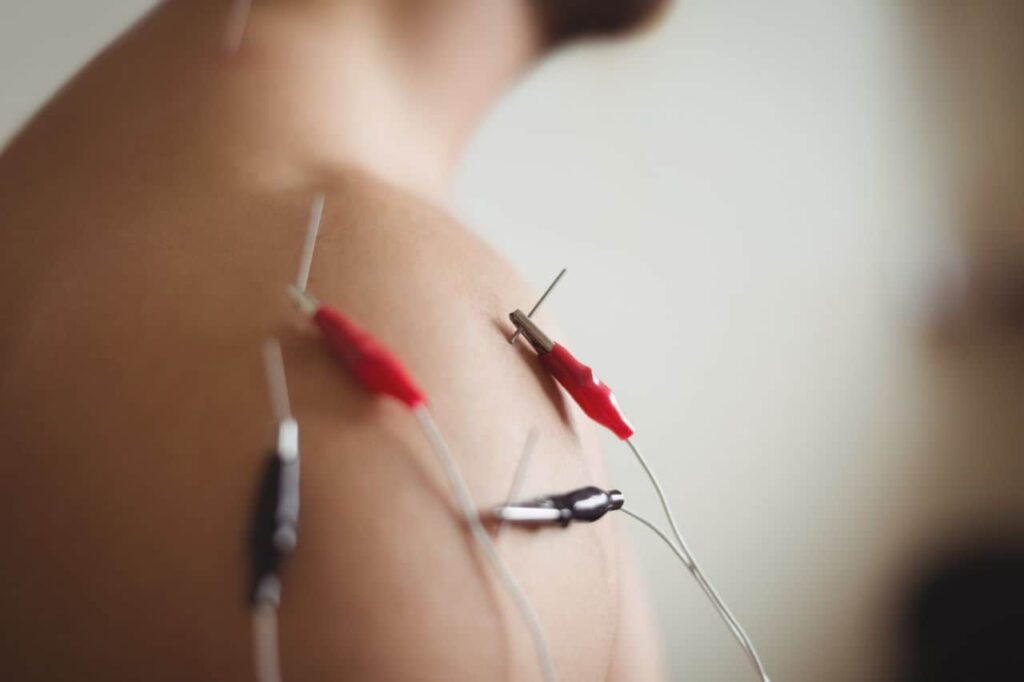
Living with chronic pain can be exhausting—physically, mentally, and emotionally. Whether the discomfort stems from your shoulder, knee, lower back, or foot, it can disrupt your routine, limit your mobility, and rob you of restful sleep. But there’s hope. Thanks to cutting-edge advancements like Peripheral Nerve Stimulation (PNS), lasting relief is within reach. One such breakthrough solution is the Nalu PNS System, a minimally invasive and highly customizable treatment option designed to help you reclaim your life. What is Peripheral Nerve Stimulation (PNS)? Peripheral Nerve Stimulation is a proven technique that targets specific nerves responsible for transmitting pain signals. By intercepting these signals before they reach the brain, PNS can significantly reduce chronic pain without relying on medications or invasive surgeries. How the Nalu PNS System Works The Nalu PNS System offers an advanced and patient-friendly way to manage chronic pain. At its core is a micro-IPG (implantable pulse generator), one of the smallest devices of its kind, connected to thin leads placed near the affected nerves. Here’s a closer look at how it works: Lead Placement: Small, flexible wires are implanted under the skin, positioned precisely near the nerves responsible for pain. Micro-IPG Implantation: These leads connect to a tiny micro-IPG implanted just beneath the skin. Electrical Stimulation: The micro-IPG delivers mild electrical pulses that interrupt pain signals before they can reach your brain. The system is powered by an external Therapy Disc, worn comfortably over the micro-IPG. This external component eliminates the need for battery replacement surgeries, offering convenience and longevity. Key Benefits of the Nalu PNS System Minimally Invasive Procedure: With its micro-sized implant, Nalu’s system requires only a minor procedure, leading to quicker recovery and less discomfort. Personalized Control: Manage your therapy effortlessly through the Nalu App or directly via the Therapy Disc. You can turn stimulation on or off based on your needs, and remove the external disc when it’s not required. Long-Term Pain Relief: FDA-cleared and designed to last up to 18 years, the Nalu PNS System offers sustainable, long-term relief from chronic pain. Trial Before Commitment: Try the system on a temporary basis to assess its effectiveness—an opportunity to experience pain relief before proceeding with full implantation. What to Expect During the Procedure Your healthcare provider will guide you through every step of the Nalu PNS process: Explain the procedure, its benefits, and potential risks. Use ultrasound imaging to place the leads with precision. Administer local anesthesia to ensure a comfortable experience. Conduct real-time testing to confirm pain relief during the procedure. Apply waterproof bandages and provide aftercare instructions for a smooth recovery. Is Nalu PNS Right for You? If chronic pain is affecting your ability to work, move, or sleep, the Nalu Peripheral Nerve Stimulation System may be the solution you’ve been waiting for. It’s safe, non-opioid, minimally invasive, and gives you the freedom to take control of your pain management. Talk to your healthcare provider today to see if Nalu PNS is right for you—and take the first step toward lasting relief.

PNS
Uncategorized

How Peripheral Nerve Stimulation (PNS) Can Help Relieve Chronic Pain

Chronic pain affects millions of people worldwide, often disrupting daily life and reducing overall well-being. Common pain areas include the shoulder, lower back, knee, and foot and ankle. When standard treatments fall short, Peripheral Nerve Stimulation (PNS) offers a cutting-edge, minimally invasive solution for lasting relief. What Is Peripheral Nerve Stimulation? PNS works by targeting the nerves responsible for sending pain signals, interrupting these signals before they reach the brain. This method offers focused pain relief without the need for long-term medications or invasive surgery. Two Leading FDA-Cleared PNS Systems: 🔹 Nalu PNS System How It Works: Thin wire leads are placed under the skin and connected to a small rechargeable device (micro-IPG). Benefit: Provides continuous, low-level electrical stimulation to block pain signals without frequent battery replacements. 🔹 SPRINT PNS System How It Works: Uses a temporary MicroLead placed near pain-generating nerves. Treatment Duration: 60 days. Benefit: Offers sustained relief with no permanent implants or medications required. Proven Effectiveness of PNS Clinical research highlights the impressive results of PNS therapy: ✅ Pain Relief: Up to 70–80% of patients report significant reductions in pain intensity and frequency. ⏳ Long-Term Benefits: Relief may last up to 14 months post-treatment. 💪 Functional Improvement: Enhanced mobility and reduced interference in daily activities. ⚠️ Low Risk: Most side effects are mild (e.g., minor skin irritation). Serious complications and device failures are rare. Common Nerve Targets for PNS Over 20 peripheral nerves are commonly treated with PNS, depending on the pain location: Upper Body: Suprascapular, axillary, radial, median, ulnar nerves Lower Body: Sciatic, femoral, tibial, peroneal, genicular nerves Trunk/Back: Medial branch, intercostal, and cluneal nerves These targeted approaches make PNS effective for conditions like: Neuropathic pain Phantom limb pain Postoperative pain Chronic musculoskeletal pain What to Expect During the PNS Procedure Initial Consultation: Assessment includes medical history, physical exam, and sometimes diagnostic nerve blocks or trial stimulation. Lead Placement: Performed with ultrasound or fluoroscopic guidance for precise targeting and reduced risk of complications. Recovery and Care: Patients receive instructions for care and can often resume normal activities shortly after the procedure. Safety Guidelines & Best Practices The American Society of Pain and Neuroscience classifies PNS as a low-to-intermediate risk therapy. With proper screening, imaging guidance, and follow-up care, risks like bleeding or infection remain minimal. In some cases, a psychological evaluation may be recommended to improve overall outcomes, especially in complex chronic pain cases. Insights from Recent Research New studies continue to validate the benefits of PNS: Significant improvements in mobility, function, and quality of life Strong results in post-surgical pain, including after knee replacements Effectiveness across diverse patient populations in real-world settings These findings support using PNS earlier in treatment plans—not just as a last resort—especially when aiming to prevent chronic pain after surgery or injury. Is PNS Right for You? You might be a good candidate for Peripheral Nerve Stimulation if you: Have not responded well to conventional pain therapies Prefer a minimally invasive and reversible treatment Want a drug-free option for managing chronic pain Final Thoughts Peripheral Nerve Stimulation is transforming how we manage chronic pain—providing targeted, long-lasting relief without the side effects of medications or invasive surgery. If you’re struggling with pain that hasn’t responded to other treatments, talk with your healthcare provider about whether PNS could be the breakthrough you’ve been waiting for.

Ortho
Uncategorized

Regenerative Medicine & Neuromodulation: Advanced Solutions for Chronic Pain

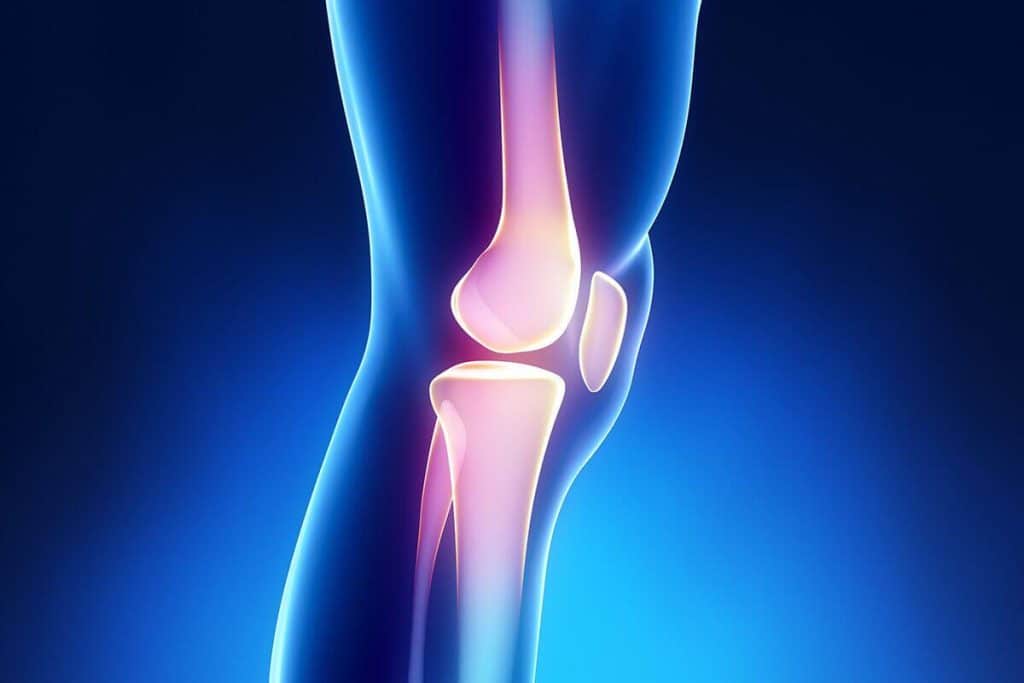
Chronic pain—defined as pain lasting longer than 3 months—affects millions and often resists traditional treatment approaches. While many conventional therapies focus on masking symptoms, two innovative options are changing the way we treat pain at its root: Regenerative Medicine and Neuromodulation. Here’s what you should know if you’re exploring more advanced or lasting relief. Regenerative Medicine: Harnessing the Body’s Healing Power Platelet-Rich Plasma (PRP) Therapy What It Is: A small sample of your blood is spun in a centrifuge to separate out platelets—concentrated with natural growth factors. How It Works: These platelets are then injected into damaged tissue, promoting natural healing and tissue regeneration. Cost & Coverage: PRP therapy is typically not covered by insurance. Our clinic offers PRP treatment starting at $750 per session. Stem Cell Therapy What It Is: Stem cells are harvested from your bone marrow or fat and used to support deeper and more sustained tissue repair. Why Consider It: Stem cells may offer stronger regenerative effects than PRP alone, particularly for chronic or complex injuries. Tenex Procedure (Water-Assisted Debridement) Overview: A minimally invasive outpatient technique that uses ultrasound-guided tools to remove damaged tissue. Benefits: Clears the way for new, healthy tissue growth and is especially helpful for tendon-related injuries. Setting: Typically performed in a surgical center. Neuromodulation: Rewiring the Pain Pathway When chronic pain persists, the nervous system can become hyperactive, reinforcing pain signals. Neuromodulation uses targeted electrical stimulation to break this cycle and restore balance. Peripheral Nerve & Spinal Cord Stimulators (PNS & SCS) How They Work: Tiny electrodes are placed near a specific nerve or along the spinal cord. These deliver low-level electrical pulses to disrupt pain signals before they reach the brain. Trial Period: A 7-day trial helps determine effectiveness. Continued treatment usually proceeds if you experience at least 50% pain relief. Insurance: Many plans cover neuromodulation therapies, provided certain clinical criteria are met. 🔍 Learn more: Visit our Peripheral Nerve Stimulation blog post for a deeper dive. TENS Units (Transcutaneous Electrical Nerve Stimulation) What It Is: A non-invasive, over-the-skin device that delivers mild electrical pulses to reduce pain. Availability: TENS units are available over the counter or via prescription (sometimes covered by insurance). Disclaimers & Important Information 📘 Educational Use Only This post is for general educational purposes and is not a substitute for professional medical advice. Always consult a licensed healthcare provider before making treatment changes. 🧬 Longevity Shared Medical Appointments (SMAs) Our Longevity SMAs—wellness-focused group sessions—are available through the CRISSP Longevity Clinic, an out-of-network service. Additional fees may apply. 💰 Insurance & Financial Notes Regenerative therapies like PRP and stem cell injections are typically not covered by insurance. Neuromodulation may be covered under specific insurance guidelines. Please consult our billing team for personalized assistance. 🔗 Affiliate Link Disclosure Some links in this post may be affiliate links. If you click and purchase, we may receive a small commission—at no extra cost to you. Final Thoughts For those struggling with chronic, hard-to-treat pain, Regenerative Medicine and Neuromodulation offer promising new avenues for relief. By encouraging your body’s natural healing or interrupting the overactive pain signals at their source, these therapies may provide lasting results where traditional treatments have fallen short. Warm regards,Dr. Kunj Patel & Dr. Rachita NavaraCRISSP Clinicshttps://crissp.net

heart attack
Uncategorized

Protecting Your Heart from Toxins: How to Lower the Risk of Arrhythmias

Arrhythmias, or irregular heart rhythms, can be influenced by many environmental and lifestyle factors. Fortunately, small, strategic changes can significantly reduce your exposure to harmful substances and help support a healthier heart rhythm. Here’s what you need to know to protect your heart from toxins that may trigger or worsen arrhythmias. Key Recommendations to Reduce Arrhythmia Risk Limit Alcohol Intake: Even one alcoholic drink—whether it’s a beer, a glass of wine, or a cocktail—can increase your risk of arrhythmias. Reducing alcohol consumption or avoiding it altogether is a heart-smart step worth considering. Be Cautious with Caffeine: Caffeine is known to raise the likelihood of atrial fibrillation (AFib), particularly in sensitive individuals. To protect your heart and improve sleep quality, avoid caffeinated beverages at least 5–6 hours before bedtime. Better sleep—especially deep and REM sleep—supports overall heart health. Avoid PFAS “Forever Chemicals” What Are PFAS? PFAS (per- and polyfluoroalkyl substances) are toxic chemicals found in many everyday products. Alarmingly, over 99% of people have detectable levels in their bloodstream. Common Sources: Non-stick cookware (e.g., Teflon) Athletic wear like Dry Fit clothing Watchbands and certain personal care items How to Reduce Exposure: Choose cast iron or ceramic cookware Filter your drinking water Opt for PFAS-free personal products PFAS Testing Options: Quest Diagnostics PFAS Test EmpowerDx PFAS Test Improving Air Quality Airborne pollutants—both indoors and outdoors—are linked to an increased risk of arrhythmias. This includes: Outdoor: Car exhaust, smog Indoor: PM2.5, VOCs like formaldehyde and benzene Reduce Exposure: Use a smart air quality monitor and HEPA air purifier Ventilate your home by opening windows regularly Choose low-VOC products certified by Greenguard or Certi-Pure Make Heart-Healthy Dietary Choices Boost Fiber Intake: Aim for 30 grams of fiber daily. Most people consume far less—often below 10 grams. Add more: Fruits and vegetables Whole grains Nuts and seeds Include Antioxidant-Rich Foods: Polyphenols—found in coffee, tea, and dark chocolate—can offer protective benefits against arrhythmias. If you’re limiting caffeine, choose: Decaffeinated green tea – buy now Low-caffeine dark chocolate options ⚠️ Avoid “low-acid” coffees, which may lack the full range of natural antioxidants found in regular varieties. Video Resources to Learn More Indoor Air Quality Tips – Dr. Kunj Patel How to Reduce Microplastics in Your Oral Care – Dr. Kunj Patel (YouTube)] Understanding Atrial Fibrillation – Dr. Rachita Navara (YouTube)] Important Information & Disclaimers Longevity Shared Medical Appointments (SMAs) Our Longevity SMAs are educational and wellness-based sessions provided through the CRISSP Longevity Clinic (an out-of-network practice). These sessions may require a separate fee. Medical Disclaimer This blog post is intended for educational purposes only and does not constitute medical advice. Always consult a licensed healthcare provider before changing your health or treatment plan. Affiliate Disclosure Some links may be affiliate links. We may earn a small commission if you make a purchase—at no additional cost to you. Warm regards,Dr. Kunj Patel & Dr. Rachita NavaraCRISSP Clinicshttps://crissp.net

Scroll to Top